Automatic Cat Litter Boxes: Separating Useful Features from Gimmicks
Shopping for automatic cat litter boxes can feel like comparing smartphones. One model tracks visits, another sends notifications to your phone, a third offers multiple cleaning modes and a night light. The specification tables grow longer every year, and it becomes easy to assume that the most expensive unit with the most features must be the best choice. In practice, the opposite is often true. The features that matter most are rarely the ones printed in large type on the box, and several of the most heavily promoted additions have little effect on how well the product actually works.
This guide separates the two. It looks at what an automatic box needs to do reliably, which extras genuinely improve daily life, and which ones simply raise the price without changing the experience for you or your cat.
Why Feature Lists Mislead Buyers
A feature list is written to differentiate products, not to describe reliability. Two units may both advertise “smart detection,” but one may use a weight sensor that recognizes a cat and waits for it to leave, while the other relies on a simple motion trigger that fires whenever something moves nearby. The words are identical; the experience is not. The same pattern appears with waste capacity, cycle time, and odor control. Numbers on a spec sheet are easy to inflate and hard to verify from a product page, so buyers end up comparing marketing language instead of engineering.
The practical fix is to rank features by how often they affect the daily cycle. A sensor that works every time is worth more than an app that charts weekly trends. A drawer that seals properly is worth more than a color display. Once you sort the list that way, the decision usually becomes simpler and cheaper.
The Features That Earn Their Place
Three capabilities carry most of the value in automatic cat litter boxes: reliable sensing, a well-sealed waste compartment, and a cycle that is quiet enough to ignore.
Sensor Reliability
Sensing is the heart of the product. A good unit detects entry, waits for the cat to leave, and runs a complete cycle without stopping halfway. It also includes a safety layer that halts the motor the moment a cat approaches during operation. Ask how the detection works and what happens when the cat stands at the entrance but does not enter. An automatic cat litter box that responds sensibly to those edge cases will be trusted by your cat, and trust is what keeps it in use. Units that cycle unexpectedly teach cats to avoid the box entirely, which is far more expensive to fix than any feature upgrade.
Waste Capacity and Sealing
The waste drawer is the second pillar. Capacity determines how often you empty it, and the seal determines how much you smell between emptyings. A tight-fitting lid with a gasket and a lined interior does more for odor control than a built-in carbon filter, though the two work well together. Match capacity to your household: one cat can often go several days, while two cats will fill the drawer in roughly half that time. A large compartment is not a luxury if it means the difference between emptying twice a week and emptying every other day.
Features That Sound Better Than They Are
App connectivity tops this list. A dashboard that logs visits and reminds you to clean can be mildly interesting for a week, but it does not change the litter cycle, and it adds a failure point: if the Wi-Fi drops, some units lose functions that should be local. Cameras inside the box raise similar questions. Watching your cat from work is entertaining, yet the footage rarely helps with the problems that actually matter, such as a rake that jams or a drawer that fills faster than expected.
Multiple cleaning modes are another common extra. In practice, most owners use one setting and never touch the others. Extra modes are harmless when they are included, but they should not drive the price comparison. The same goes for decorative lighting and voice assistant integration. None of these features are bad, but none of them compensate for weak sensors or a leaky drawer. Treat them as tie-breakers between otherwise equal units, not as reasons to choose one.
How to Test a Unit in the First Week
The first week tells you almost everything. Set the unit up with your cat’s usual litter and leave it unplugged for a day so the box becomes familiar. Then run a cycle manually while your cat is in the room and watch the reaction. A calm cat that returns to the box is a good sign; a cat that bolts and hides needs more time and possibly a different placement.
During that week, pay attention to the details that reviews rarely mention. Does the cycle complete without stalling? Does litter end up on the floor after each pass? Does the drawer seal hold overnight? Does the motor sound change when the load is uneven? Note how long it takes to empty and reline the drawer, because that number multiplied across a year is the real maintenance cost. If something feels wrong in week one, contact the seller before the return window closes rather than waiting to see whether it improves.
What a Good Week Looks Like
Feature lists describe what a machine can do; a good week describes what it actually does. In a well-matched setup, the box cycles after most visits, the drawer fills at a predictable pace, and the only manual work is a top-up, a drawer change, and a wipe-down. The litter level stays stable because you check it on a schedule. The interior stays clean because the rake clears it after every use. Nothing dramatic happens, and that is the point.
Compare that with a unit that misreads its sensors or scatters litter. The owner spends the week re-running cycles, sweeping the floor, and wondering whether the cat is avoiding the box because of the noise. Both machines may carry the same feature count, but one has turned litter care into background maintenance while the other has turned it into a second job. When you evaluate a product, imagine which of those weeks you are buying. Reviews that describe the daily rhythm are more useful than reviews that list specifications.
Budgeting for the Real Cost of Ownership
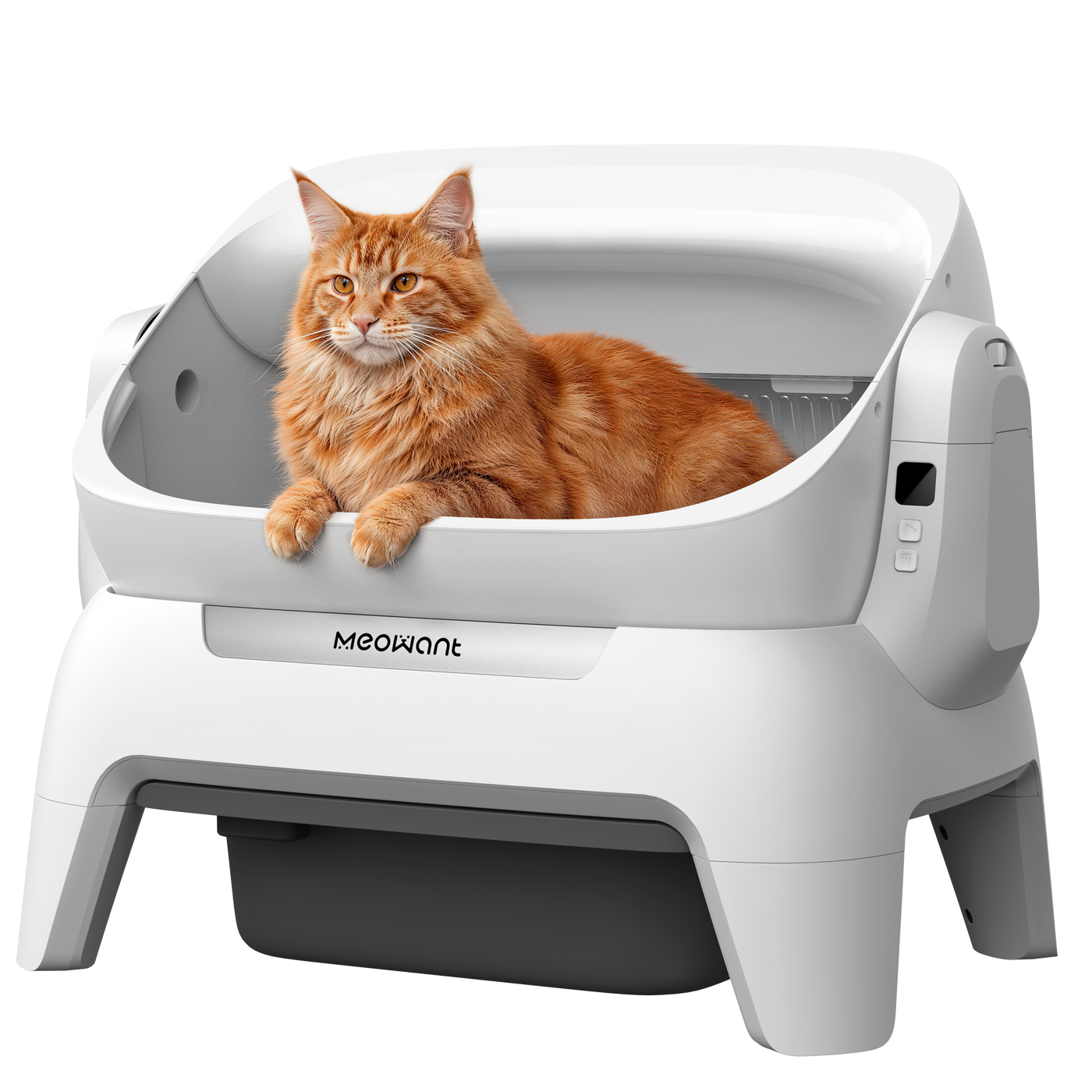
The purchase price is only the first cost. Liners, filters, and replacement rake parts add up over time, and the units with the most proprietary consumables tend to be the most expensive to keep running. Before buying, check how much a year of liners costs and whether generic alternatives fit. Confirm that replacement parts are stocked by the seller rather than sourced only from overseas marketplaces with long shipping times. Meowant keeps its consumables and spare parts straightforward, which is the kind of practical design that matters after the novelty of a new gadget fades. A cheaper unit with widely available parts often costs less over three years than a premium model with hard-to-find components.
Factor in electricity as well, though the amount is small. A unit that runs several cycles a day draws only a modest amount of power, and the difference between models is rarely significant. The bigger variables are consumables and repair. If a rake breaks after eighteen months and the replacement costs a third of the purchase price, the total cost of ownership changes quickly. Ask about part prices before you buy, and prefer designs where the moving parts can be replaced individually rather than as a whole assembly.
Finally, consider resale and disposal. A well-built unit holds some value and is easier to hand on to another owner; a plastic-heavy model with proprietary parts often ends up as waste. Buying for durability is both a practical and an environmental choice, and it usually aligns with buying for reliability.
Buying Smart, Not Buying More
The best automatic cat litter boxes are not the ones with the longest feature lists. They are the ones that sense reliably, seal properly, run quietly, and are cheap and easy to maintain. Everything beyond that is optional, and some of it exists mainly to justify a higher price. If you evaluate a unit by how it behaves during a normal week rather than by how many bullet points it carries, you will usually end up with a simpler product that works better and lasts longer.
Your cat will not care about the app. It will care about a clean, quiet, predictable box that never surprises it. Buy for that, and the convenience you were promised will actually show up.