How Often Should Expansion Joints Around a Home Be Replaced to Prevent Water Damage?
Expansion joints are small but important parts of a home’s exterior and structural protection system. They are commonly found around concrete slabs, driveways, sidewalks, patios, brick walls, and areas where different building materials meet. Their main purpose is to allow materials to naturally expand and contract due to temperature changes, moisture, and seasonal movement without creating damaging cracks.
Many homeowners overlook expansion joints because they are not as visible or noticeable as roofs, windows, or plumbing systems. However, when these joints become damaged, cracked, or separated, they can allow water to enter places where it does not belong. Over time, this moisture intrusion can contribute to concrete deterioration, foundation issues, mold growth, and costly repairs.
Understanding how often expansion joints should be replaced and knowing the warning signs of failure can help homeowners protect their properties before small issues become major problems.
What Are Expansion Joints and Why Are They Important?
Expansion joints are designed gaps or flexible connections between building materials. Concrete, brick, stone, and other materials naturally expand when temperatures rise and contract when temperatures drop. Without a controlled space for this movement, pressure can build up and cause cracks or structural stress.
In residential properties, expansion joints are commonly used in:
- Concrete driveways
- Sidewalks and walkways
- Garage floors
- Patios and outdoor living areas
- Pool decks
- Foundation connections
- Masonry walls
- Concrete slabs around homes
Most expansion joints include a flexible filler material and a sealant layer that prevents water, dirt, and debris from entering the gap.
The joint needs to perform two functions at the same time:
- Allow natural movement between materials
- Prevent water from penetrating below the surface
When the seal fails, the expansion joint can no longer provide proper protection.
How Often Should Expansion Joints Be Replaced?
There is no single replacement schedule that applies to every home because the lifespan depends on the material used, climate conditions, installation quality, and exposure to weather.
In general, properly installed expansion joint sealants may last around 5 to 10 years. Some higher-quality materials can perform longer, while poorly installed joints may fail much sooner.
Homeowners should inspect expansion joints regularly rather than waiting for a specific replacement date.
A good maintenance approach is:
- Inspect joints once or twice a year
- Check them after extreme weather events
- Replace damaged sealant when deterioration appears
- Address water drainage problems near joints
Properties in areas with heavy rainfall, freezing temperatures, strong sunlight, or large temperature changes may require more frequent inspections.
Signs Your Expansion Joints Need Replacement
Expansion joints usually provide warning signs before they completely fail. Recognizing these signs early can prevent water damage.
Cracked or Missing Sealant
One of the most common problems is damaged sealant inside the expansion joint. Over time, the material may crack, shrink, become brittle, or completely separate from the edges.
When this happens, water can enter the opening and reach the layers beneath the concrete.
Gaps Between the Joint and Concrete
A properly working expansion joint should remain tightly connected to surrounding surfaces. If you notice spaces between the sealant and concrete edges, the joint is no longer creating a reliable waterproof barrier.
Standing Water Near Joints
Water pooling around expansion joints may indicate poor sealing or drainage problems. Repeated exposure to standing water increases the chance of concrete damage and soil erosion beneath slabs.
Uneven Concrete Movement
If one concrete section becomes higher or lower than another, it may indicate movement caused by moisture, soil changes, or damage beneath the surface.
While the expansion joint itself may not always be the cause, damaged joints can allow conditions that contribute to these problems.
Vegetation Growing Through Joints
Plants or weeds growing from expansion joints are a sign that the protective barrier has failed. Roots can increase gaps and allow more moisture penetration.
What Causes Expansion Joints to Fail?
Several factors influence how long expansion joints last.
Weather Exposure
Outdoor expansion joints face constant exposure to sunlight, rain, snow, and temperature changes. UV rays can make sealants brittle, while freezing temperatures can cause cracking.
Poor Installation
Incorrect installation is one of the biggest reasons expansion joints fail early. Common installation problems include:
- Using the wrong sealant material
- Applying insufficient sealant depth
- Poor surface preparation
- Failing to remove old damaged material
- Incorrect joint width
A high-quality product cannot perform properly if it is installed incorrectly.
Movement Beyond Design Limits
Homes naturally settle over time. However, excessive soil movement, drainage problems, or structural changes can create more movement than the expansion joint was designed to handle.
Water Drainage Issues
Expansion joints are not designed to manage constant water exposure from poor drainage. If gutters, downspouts, or landscaping direct large amounts of water toward concrete areas, joint failure can happen faster.
Can You Repair Expansion Joints Yourself?
Minor expansion joint maintenance can sometimes be handled as a DIY project, especially for homeowners who are comfortable working with concrete sealants.
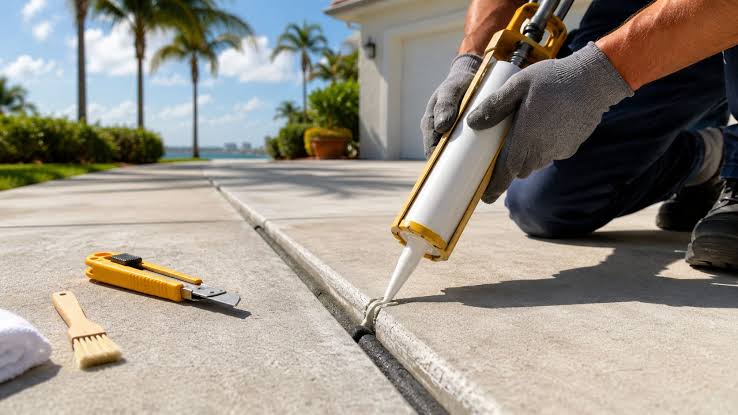
A typical repair process may include:
- Removing old damaged sealant
- Cleaning the joint thoroughly
- Allowing the area to dry completely
- Installing suitable backer material if required
- Applying new expansion joint sealant
However, homeowners should be careful when dealing with large cracks, structural movement, foundation-related areas, or widespread concrete problems.
A professional evaluation may be necessary when:
- Concrete slabs are shifting significantly
- Water is entering basement areas
- Foundation walls are affected
- Multiple joints are failing at the same time
Choosing the Right Expansion Joint Replacement Material
Not all sealants are suitable for every application. The correct product depends on where the joint is located and the type of movement expected.
Common options include:
Polyurethane Sealants
These are widely used because they provide flexibility and strong resistance against weather conditions. They work well for many outdoor concrete applications.
Silicone-Based Sealants
Silicone products offer excellent flexibility and weather resistance but may not be suitable for every concrete application.
Self-Leveling Sealants
These are often used for horizontal surfaces like driveways and sidewalks because they spread evenly across the joint.
Selecting the wrong material can shorten the lifespan of the repair, even if the installation process is done correctly.
How Proper Maintenance Prevents Water Damage
Replacing expansion joints is only one part of protecting a home. Good exterior maintenance practices can extend the life of these systems.
Homeowners should also:
- Keep gutters clean and properly directed
- Avoid allowing water to collect near concrete surfaces
- Repair cracks before they expand
- Maintain proper grading around the home
- Remove debris from joints regularly
Water damage often develops slowly. A small opening in an expansion joint may not appear serious, but repeated moisture exposure can gradually weaken surrounding materials.
Final Thoughts
Expansion joints may seem like minor details in a home’s construction, but they play an important role in preventing water intrusion and protecting concrete structures. Most expansion joint sealants last approximately 5 to 10 years, but regular inspections are more important than following a strict replacement timeline.
Homeowners should watch for cracked sealant, gaps, water pooling, and visible deterioration. Replacing damaged expansion joints at the right time can prevent more expensive repairs involving concrete replacement, drainage correction, or structural damage.
A small maintenance task today can help preserve the strength, appearance, and value of a home for many years.