Renovating an Old House vs Building New: Which Option Provides Better Long-Term Value?
Choosing between renovating an old house and building a completely new home is one of the biggest decisions homeowners face. Both options can create a comfortable and valuable living space, but they come with different costs, challenges, opportunities, and long-term benefits.
Some people love the character, location, and history of older homes, while others prefer the modern design, energy efficiency, and customization that comes with a newly built property. The right choice depends on your budget, lifestyle goals, location, future plans, and how much work you are willing to take on.
Understanding the long-term value of both options can help you make a smarter investment decision instead of focusing only on the initial cost.
Understanding the Difference Between Renovating and Building New
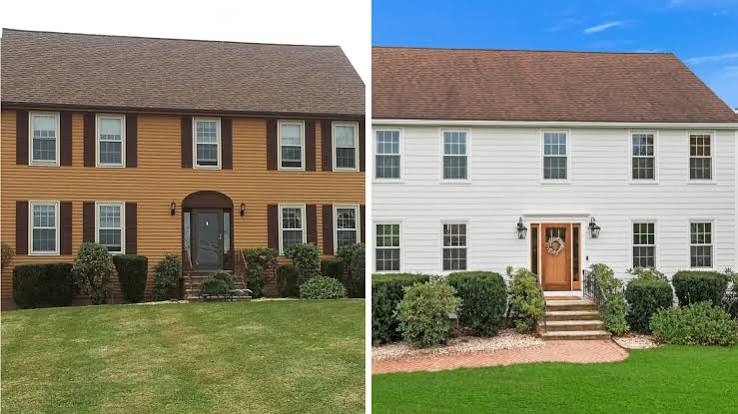
Renovating an old house means improving or upgrading an existing structure. This can include small improvements like painting, flooring replacement, and kitchen updates, or major renovations involving electrical systems, plumbing, structural repairs, extensions, and complete interior redesigns.
Building a new home means starting from the beginning. You select the land, design the layout, choose materials, and create a property according to your exact needs.
The main difference is that renovation works with what already exists, while new construction gives you complete control over the final result.
Long-Term Value of Renovating an Old House
Older homes often have advantages that are difficult to recreate in new construction. Many established properties are located in desirable neighborhoods with mature trees, better infrastructure, schools, markets, and transportation access.
A well-renovated older home can provide excellent value because you are improving an existing asset rather than starting from zero.
One major advantage is location. In many cities, older houses are built in areas that have already developed over decades. A new home in a developing area may offer modern features, but it may not provide the same convenience or community benefits.
Renovations can also increase property value when improvements are carefully planned. Updating outdated kitchens, bathrooms, flooring, lighting, insulation, and outdoor spaces can significantly improve the appeal of an older property.
However, renovation value depends heavily on the condition of the house. A property with strong foundations and good structural quality can become a valuable investment after upgrades. But a house with serious problems such as damaged foundations, outdated wiring, water damage, or poor construction may require expensive repairs.
Benefits of Renovating an Old House
Preserving Character and Unique Features
Many older homes have architectural details that modern buildings often lack. Features such as original woodwork, unique layouts, traditional designs, and handcrafted details can add personality and charm.
For homeowners who appreciate history and individuality, renovation allows them to preserve these features while adding modern comfort.
Potentially Lower Purchase Costs
Buying an older property and renovating it can sometimes be more affordable than purchasing or building a brand-new home, especially in competitive markets.
The money saved on the initial purchase can be invested into improvements that increase functionality and value.
Better Locations
Older homes are often located closer to city centers and established communities. This can provide long-term benefits because location plays a major role in property value.
A beautifully designed home in an inconvenient location may not perform as well as a renovated property in a highly desirable area.
Challenges of Renovating an Old House
Although renovation can create great value, it also comes with risks.
One of the biggest challenges is discovering unexpected problems. Hidden issues behind walls, under floors, or inside old systems can increase renovation costs.
Common problems include:
- Outdated electrical wiring
- Plumbing problems
- Roof damage
- Poor insulation
- Structural weaknesses
- Moisture and mold issues
Renovation projects can also take longer than expected because homeowners often discover additional work after construction begins.
Proper inspection before starting a renovation is important because it helps identify potential problems and create a realistic budget.
Long-Term Value of Building a New Home
Building a new house offers advantages that renovation cannot always provide. Since everything is designed from the beginning, homeowners have complete control over the layout, materials, technology, and energy efficiency.
A new home can be created around your lifestyle. You can decide the number of rooms, storage options, workspace areas, outdoor spaces, and smart home features.
Modern construction methods also allow builders to use improved materials and energy-saving technologies that may reduce future maintenance expenses.
Benefits of Building a New Home
Complete Customization
One of the biggest advantages of new construction is personalization.
Instead of adjusting an existing structure, you can design a home that matches your exact preferences. This includes room sizes, floor plans, lighting systems, kitchen design, bathrooms, and technology integration.
Lower Maintenance Costs
New homes usually require fewer repairs during the first years because everything from plumbing to electrical systems is new.
Modern building standards also help improve durability and reduce problems that commonly appear in older properties.
Better Energy Efficiency
New construction often includes improved insulation, energy-efficient windows, modern heating and cooling systems, and smart technology.
These features can reduce monthly utility expenses and make the home more comfortable throughout the year.
Challenges of Building a New Home
The biggest disadvantage of building new is the overall cost and time commitment.
Land prices, construction materials, labor costs, permits, and design changes can make new homes expensive.
There is also less certainty about the final timeline. Delays caused by weather, material availability, contractor schedules, or approval processes can extend the project.
Another consideration is location. New developments may offer modern communities, but they are sometimes farther from established areas with convenient services.
Which Option Provides Better Financial Value?
The answer depends on your situation.
Renovating an old house may provide better value when:
- The property has a strong structure
- The location is desirable
- Renovation costs are manageable
- The home has unique features
- Improvements can significantly increase market value
Building new may provide better value when:
- You need a customized home
- The old property requires major structural repairs
- Energy efficiency is a priority
- You want modern technology and design
- You plan to stay in the home for many years
A well-planned renovation can outperform a new build financially because location and land value often represent a large portion of property value. On the other hand, a new home can provide better comfort, efficiency, and fewer maintenance concerns.
How to Make the Right Decision
Before choosing between renovation and new construction, consider several important questions:
What is your total budget?
Include not only construction costs but also permits, design fees, unexpected expenses, and future maintenance.
How long do you plan to stay?
Long-term homeowners may benefit more from customization and quality improvements.
What is the condition of the existing property?
A professional inspection can reveal whether renovation is practical or if rebuilding makes more sense.
How important is location?
A renovated home in a prime area may hold more value than a new home in a less developed location.
Final Thoughts
Both renovating an old house and building a new home can provide excellent long-term value when planned correctly. The better choice depends on your priorities, financial situation, and vision for the future.
Renovation offers the opportunity to improve an existing property, preserve character, and benefit from established locations. Building new provides customization, modern efficiency, and reduced maintenance concerns.
The smartest decision is not always choosing the newer option. A carefully renovated older home can become a valuable investment, while a thoughtfully designed new home can provide comfort and lasting benefits for decades. The key is evaluating the property carefully, planning realistically, and investing in improvements that create genuine long-term value.