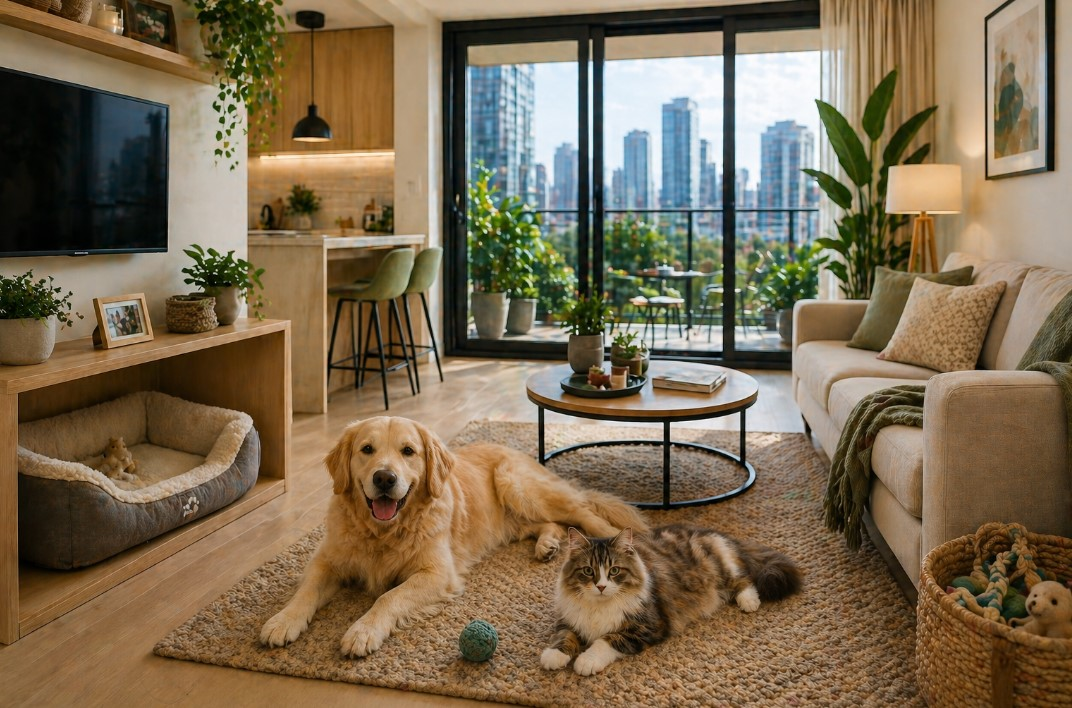
Creating a Pet-Friendly House Layout That Works for Both Owners and Animals
A home is not only a place for people; it is also a living environment for pets that become important members of the family. Dogs, cats, and other animals spend most of their lives inside the home, so the layout and design of living spaces can greatly affect their comfort, safety, and behavior.
A pet-friendly home does not mean sacrificing style or creating a space that looks like an animal shelter. With thoughtful planning, homeowners can design interiors that support the needs of pets while maintaining a clean, attractive, and comfortable environment for everyone.
The key to a successful pet-friendly layout is balance. Pets need areas for movement, rest, eating, playing, and personal care, while owners need convenience, organization, and easy maintenance. By considering both human and animal needs during the design process, a home can become more functional and enjoyable.
Understanding the Needs of Pets Before Changing the Layout
Every pet has different habits, energy levels, and requirements. Before making changes, it is important to understand how your animals use the home.
A large active dog may need open spaces for movement and play, while a cat may benefit more from vertical areas, climbing opportunities, and quiet resting spots.
Consider questions such as:
- Where does your pet spend most of its time?
- Does your pet prefer quiet areas or social spaces?
- Are there areas that create safety risks?
- Where should food, toys, and supplies be stored?
- How much cleaning is required?
Understanding daily routines helps create a layout that works naturally rather than forcing pets to adapt to an unsuitable environment.
Creating Dedicated Pet Zones
One of the best ways to create a pet-friendly home is by giving animals their own designated areas. These spaces provide comfort for pets while helping owners maintain organization.
A dedicated pet zone may include:
- A sleeping area
- Food and water station
- Toy storage
- Grooming supplies
- Bedding or crates
The location of these areas matters. A pet bed placed in a busy walkway may prevent the animal from resting comfortably. Similarly, food areas should be placed somewhere convenient but away from excessive household traffic.
A small corner of a room can often become an effective pet area without requiring major changes.
Designing Comfortable Sleeping Areas
Pets need a safe and comfortable place where they can relax. Creating a proper sleeping area helps animals feel secure and can reduce stress.
For dogs, consider:
- A supportive bed
- A quiet corner
- Easy access to family areas
For cats, consider:
- Elevated sleeping spaces
- Soft resting platforms
- Areas near windows
Pets often enjoy being close to their owners, so placing sleeping areas near common living spaces can help them feel included while still providing personal space.
Choosing Pet-Friendly Flooring
Flooring is one of the most important considerations in a pet-friendly home. Pets can create scratches, stains, and additional cleaning challenges, so choosing durable surfaces is essential.
Good flooring options include:
Tile Flooring
Tile is highly durable, easy to clean, and resistant to moisture. It works especially well in kitchens, entry areas, and spaces where pets frequently move.
Vinyl Flooring
Vinyl offers comfort, durability, and resistance to scratches. Modern vinyl designs can also imitate the appearance of wood or stone.
Laminate Flooring
Quality laminate can be a practical option, although homeowners should choose water-resistant varieties because moisture can damage some types.
Hardwood Considerations
Hardwood can work in pet-friendly homes, but harder wood species and protective finishes are better choices. Rugs and protective mats can help reduce scratches.
Carpet may feel comfortable but requires more maintenance because it can trap fur, odors, and stains.
Creating Safe Entry Areas
The entrance of a home is one of the most important areas for pet owners. Outdoor dirt, wet paws, and muddy footprints often enter through this space.
A pet-friendly entry area can include:
- Washable mats
- Storage for leashes
- Towels for cleaning paws
- Pet cleaning supplies
- Hooks for accessories
A small organization system near the entrance saves time and keeps the rest of the home cleaner.
For homes with dogs, having a nearby cleaning area can be especially useful after outdoor activities.
Organizing Pet Supplies Efficiently
Pet items can quickly create clutter if they do not have proper storage. Food bags, toys, grooming products, and medications should have designated locations.
Useful storage ideas include:
- Pull-out drawers for pet food
- Baskets for toys
- Cabinets for grooming supplies
- Wall hooks for leashes
- Shelves for accessories
Keeping supplies organized makes daily routines easier and prevents the home from feeling messy.
Designing a Pet-Friendly Living Room
The living room is often the center of family activity, so it should work for both people and pets.
Consider:
- Durable furniture fabrics
- Washable covers
- Pet-friendly materials
- Open movement areas
Leather and tightly woven fabrics are often easier to clean than delicate materials.
Furniture arrangement should also allow pets to move comfortably without constantly blocking pathways.
Providing a comfortable pet bed or blanket in the living room allows animals to stay close to family members without taking over furniture.
Creating Cat-Friendly Spaces
Cats have unique needs that differ from dogs. They often enjoy climbing, observing, hiding, and exploring.
A cat-friendly home may include:
- Cat trees
- Wall shelves
- Window perches
- Scratching posts
- Hidden resting areas
Vertical space is especially valuable because cats naturally enjoy elevated locations.
Providing appropriate scratching areas also helps protect furniture and encourages healthy behavior.
Making Outdoor Areas Safer for Pets
If pets have access to outdoor spaces, safety should be a priority.
A pet-friendly garden may include:
- Secure fencing
- Safe plants
- Shaded resting areas
- Fresh water access
- Comfortable surfaces
Avoid plants that may be harmful to animals. Creating designated outdoor areas allows pets to enjoy fresh air while reducing risks.
Designing Pet-Friendly Furniture Choices
Furniture selection can make a major difference in maintaining a clean home.
Consider:
- Scratch-resistant fabrics
- Removable covers
- Easy-clean materials
- Durable construction
Neutral colors and textured fabrics often hide fur better than smooth dark surfaces.
Furniture placement should also consider pet behavior. For example, placing valuable decorations in reachable areas may create unnecessary problems.
Improving Air Quality in Pet Homes
Pets bring joy, but they can also increase dust, fur, and odors. Good ventilation and cleaning routines help maintain a healthier environment.
Helpful practices include:
- Using air purifiers
- Vacuuming regularly
- Washing pet bedding
- Grooming pets frequently
- Maintaining proper ventilation
A clean environment benefits both pets and people.
Creating Pet-Friendly Bathrooms and Cleaning Areas
Pets often require grooming and cleaning, so having a convenient area for these tasks is helpful.
Depending on space, homeowners can create:
- A pet washing station
- Storage for grooming tools
- Cleaning supply cabinets
- Drying areas
Even a simple organized corner can make pet care easier.
Avoiding Common Pet Layout Mistakes
Some design decisions can create problems for both owners and animals.
Common mistakes include:
Creating no dedicated pet areas can lead to clutter.
Using delicate furniture materials may result in frequent damage.
Blocking movement paths can make pets uncomfortable.
Ignoring safety risks such as exposed wires or harmful objects can create dangerous situations.
A pet-friendly home should consider both appearance and practical daily use.
Creating Harmony Between Style and Pet Needs
Many homeowners worry that pet-friendly design will affect the appearance of their home. However, modern solutions allow both style and functionality.
Beautiful pet-friendly options include:
- Stylish pet beds
- Decorative storage baskets
- Modern feeding stations
- Attractive furniture covers
- Integrated pet spaces
The goal is not to hide pets but to create a home where animals naturally fit into the lifestyle of the family.
Conclusion
Creating a pet-friendly house layout is about designing a space where both humans and animals can live comfortably. With thoughtful planning, homeowners can provide pets with safe resting areas, organized supplies, durable surfaces, and comfortable spaces without sacrificing interior style.
A successful pet-friendly home considers everyday routines, safety, cleanliness, and comfort. Small adjustments such as better storage, suitable flooring, and dedicated pet zones can make a significant difference.
When a home supports the needs of every family member, including pets, it becomes a more enjoyable and peaceful place for everyone.
Frequently Asked Questions (FAQs)
1. What is the most important feature of a pet-friendly home?
The most important feature is creating a safe and comfortable environment where pets have dedicated areas for sleeping, eating, playing, and relaxing.
2. What type of flooring is best for homes with pets?
Tile, vinyl, and durable laminate are popular choices because they are easy to clean and resistant to scratches and moisture.
3. How can I keep my home clean with pets?
Regular vacuuming, washable furniture covers, pet grooming, organized storage, and cleaning pet areas frequently can help maintain a clean home.
4. How do I create a pet area in a small home?
A small corner can become a pet area with a bed, storage basket, feeding station, and organized supplies.
5. What furniture materials are best for pet owners?
Durable, washable, and tightly woven fabrics are usually better choices because they resist stains, fur buildup, and damage.
6. How can I protect furniture from pets?
Provide scratching posts, pet beds, training, furniture covers, and durable materials designed for everyday use.
7. Should pets have access to every room?
Not necessarily. Some areas may need restrictions for safety, cleanliness, or protection of valuable items.
8. How can I make my garden safer for pets?
Use secure fencing, avoid harmful plants, provide shade and water, and create a comfortable outdoor area for animals to enjoy safely.