Why Crawl Space Encapsulation Is Gaining Attention in Moisture-Prone Areas
Many homeowners rarely think about the space beneath their homes. A crawl space is often hidden, dark, and used only for storing pipes, wires, or accessing parts of the foundation. However, in areas with high humidity, heavy rainfall, flooding risks, or poor drainage, this overlooked area can create serious problems for the entire house.
Crawl space encapsulation has gained attention because homeowners are becoming more aware of how moisture below their floors can affect indoor comfort, air quality, energy efficiency, and the long-term condition of their property. Instead of leaving crawl spaces exposed to damp soil and outdoor air, encapsulation creates a controlled environment that helps prevent moisture-related damage.
What Is Crawl Space Encapsulation?
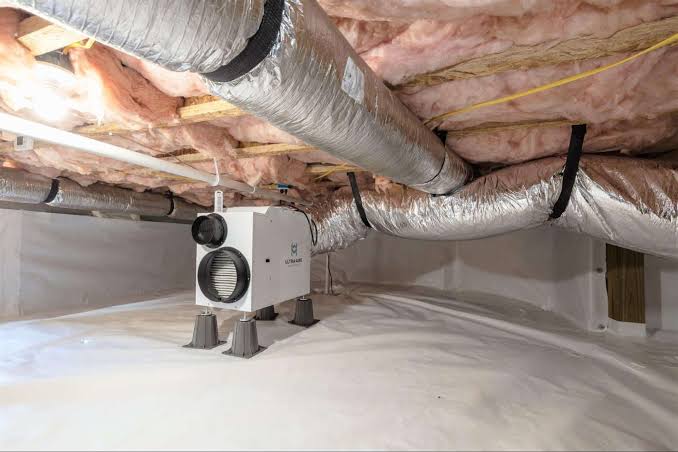
Crawl space encapsulation is a process where professionals seal and protect the crawl space from outside moisture. The goal is to create a cleaner, drier, and more controlled area beneath the home.
During encapsulation, several improvements are usually made, including:
- Installing a heavy-duty vapor barrier over the ground and walls
- Sealing vents and openings that allow humid air inside
- Insulating crawl space walls or floors when needed
- Adding drainage solutions if water problems exist
- Installing a dehumidifier or moisture control system in some situations
Unlike traditional crawl spaces that exchange air with the outdoors, an encapsulated crawl space becomes more like a protected part of the home’s structure.
Why Moisture-Prone Areas Face More Crawl Space Problems
Homes located in humid climates or regions with frequent rain are more vulnerable to crawl space moisture issues. When warm, damp air enters a cooler crawl space, condensation can develop on surfaces such as pipes, wooden beams, and insulation.
Over time, constant moisture exposure can lead to:
- Mold growth
- Wood rot
- Unpleasant odors
- Pest problems
- Higher energy bills
- Damaged insulation
- Poor indoor air quality
The challenge is that these issues often develop slowly. Many homeowners do not notice a crawl space problem until they see visible damage or experience uncomfortable conditions inside their homes.
How Crawl Space Moisture Affects the Entire Home
A common misconception is that a crawl space problem stays isolated below the house. In reality, moisture and air movement can influence the entire living environment.
Many homes experience a natural airflow effect where air from the crawl space moves upward through floors, gaps, and small openings. If that lower area contains mold spores, musty odors, or excessive humidity, those conditions can eventually affect indoor spaces.
A damp crawl space may also make heating and cooling systems work harder. Excess moisture can make a home feel warmer in summer and colder in winter because humidity affects how comfortable indoor temperatures feel.
Benefits of Crawl Space Encapsulation
Better Moisture Control
The biggest advantage of encapsulation is reducing moisture exposure. A sealed crawl space prevents water vapor from rising through exposed soil and limits the amount of humid outdoor air entering the area.
This is especially valuable in regions where humidity levels remain high for much of the year.
Reduced Risk of Mold and Mildew
Mold requires moisture, organic materials, and suitable conditions to grow. By controlling humidity and preventing water intrusion, encapsulation helps create an environment that is less favorable for mold development.
It does not replace proper cleaning or repairs if mold already exists, but it can help prevent future problems.
Improved Energy Efficiency
An encapsulated crawl space can contribute to better temperature control. When the area beneath the home is properly sealed and insulated, heating and cooling systems may not need to work as hard to maintain comfortable indoor temperatures.
This can potentially reduce energy waste, especially in homes with older, unprotected crawl spaces.
Protecting Structural Components
Many important parts of a home’s structure are located near the crawl space, including floor joists, support beams, and plumbing lines.
Long-term moisture exposure can weaken wooden components and create expensive repair needs. Encapsulation helps protect these areas by keeping moisture levels more stable.
Fewer Odors and Pest Issues
Damp crawl spaces often develop a musty smell. They can also attract insects and other pests that prefer dark, humid environments.
A properly sealed crawl space makes the area less appealing to many moisture-loving pests and helps improve overall home freshness.
Is Crawl Space Encapsulation Worth the Investment?
The value of crawl space encapsulation depends on factors such as climate, existing moisture problems, home design, and future maintenance goals.
For homeowners in dry regions, the benefits may be limited compared to areas with high humidity or frequent rainfall. However, in moisture-prone locations, encapsulation can prevent costly repairs and improve living conditions.
The upfront cost can vary depending on the size of the crawl space, current damage, drainage requirements, insulation needs, and the materials used.
Instead of viewing encapsulation as just another home improvement expense, many homeowners consider it a preventative investment that protects their property over time.
Signs Your Crawl Space May Need Encapsulation
Not every crawl space requires full encapsulation immediately. However, certain warning signs indicate that moisture control should be considered.
Look for:
- A persistent musty smell inside the home
- Condensation on pipes or surfaces
- Standing water after rain
- Wet insulation
- Mold growth
- Increased humidity indoors
- Sagging or damaged wooden supports
- Frequent pest activity
A professional inspection can help determine whether encapsulation, drainage improvements, or another solution is the right approach.
Common Mistakes Homeowners Make
One mistake is simply covering the crawl space floor with a thin plastic sheet and assuming the problem is solved. Effective encapsulation requires proper materials, sealing techniques, and moisture management.
Another common issue is ignoring existing water problems. If groundwater enters the crawl space, sealing the area without addressing drainage can trap moisture instead of solving the problem.
Homeowners should also consider ventilation, insulation, and humidity control together rather than treating them as separate issues.
The Future of Crawl Space Improvements
As homeowners focus more on healthier indoor environments and energy-efficient homes, crawl spaces are receiving more attention than ever before.
Modern home improvement trends are moving toward prevention rather than waiting for damage to occur. Similar to roof maintenance, foundation inspections, and HVAC servicing, crawl space protection is becoming part of long-term property care.
New materials, improved moisture sensors, and smart home monitoring systems are also making it easier for homeowners to track humidity levels and identify problems early.
Final Thoughts
Crawl space encapsulation is gaining popularity because it addresses a hidden area that can have a major impact on a home’s comfort, durability, and maintenance needs. In moisture-prone areas, controlling humidity beneath the house can help prevent mold, protect structural materials, and create a healthier living environment.
While encapsulation is not necessary for every home, homeowners dealing with damp conditions, recurring odors, or moisture problems should consider having their crawl space evaluated. A properly protected crawl space can become an important part of maintaining a safer, more efficient, and longer-lasting home.