Energy-Efficient Home Upgrades That Lower Utility Bills: Windows, Insulation, Solar Panels, Heat Pumps, Smart Thermostats, and Tax Incentives
Rising energy costs have made homeowners more aware of how much money is lost through outdated equipment, poor insulation, and inefficient home designs. Heating and cooling alone account for a significant portion of monthly utility bills, while older appliances and drafty windows can silently waste energy every day.
The good news is that improving your home’s energy efficiency doesn’t always require a complete renovation. Strategic upgrades can reduce electricity and heating costs, improve indoor comfort, increase property value, and even qualify for government tax incentives or rebates.
Whether you’re planning a major remodel or looking for affordable improvements, this guide explains the best energy-efficient home upgrades, how much they typically cost, their potential savings, and which improvements provide the highest return on investment.
Why Energy Efficiency Matters
An energy-efficient home uses less electricity, natural gas, or heating fuel to maintain comfortable indoor temperatures. Instead of wasting energy through air leaks or outdated systems, an efficient home makes better use of every unit of energy consumed.
Benefits include:
- Lower monthly utility bills
- Improved indoor comfort throughout the year
- Reduced environmental impact
- Better indoor air quality
- Higher home resale value
- Less strain on heating and cooling systems
- Eligibility for rebates and tax incentives
Many homeowners recover their investment over time through lower utility expenses.
Upgrade Your Windows for Better Insulation
Windows are one of the biggest sources of energy loss in older homes. During winter, heat escapes through inefficient glass, while summer heat enters the home, forcing your HVAC system to work harder.
Features of Energy-Efficient Windows
Modern windows typically include:
- Double or triple-pane glass
- Low-E (low emissivity) coatings
- Argon or krypton gas between panes
- Insulated window frames
- Better weather sealing
These features reduce heat transfer while allowing natural light into the home.
Average Cost
Window replacement generally costs:
- $300–$1,200 per window
- Whole-home replacement: $8,000–$20,000 depending on home size
Potential Savings
Replacing old single-pane windows can reduce heating and cooling costs by 10% to 25%, depending on climate and existing conditions.
Improve Home Insulation
Even the most efficient HVAC system cannot perform well if conditioned air escapes through poorly insulated walls and ceilings.
Proper insulation helps maintain indoor temperatures throughout the year.
Areas That Need Insulation
Common locations include:
- Attics
- Exterior walls
- Crawl spaces
- Basements
- Floors above garages
- Rim joists
Types of Insulation
Popular insulation materials include:
- Fiberglass batts
- Spray foam
- Blown-in cellulose
- Mineral wool
- Rigid foam boards
Each material offers different benefits depending on the application and budget.
Average Cost
Costs vary by project:
- Attic insulation: $1,500–$3,500
- Wall insulation: $2,000–$6,000
- Spray foam insulation: Higher upfront cost but excellent performance
Energy Savings
Proper insulation can reduce heating and cooling expenses by 15% to 30%.
Seal Air Leaks
Small gaps around doors, windows, plumbing penetrations, electrical outlets, and vents allow conditioned air to escape continuously.
Air sealing is one of the most affordable improvements available.
Common Air Leak Locations
Inspect areas around:
- Exterior doors
- Window frames
- Attic access panels
- Recessed lighting
- Plumbing pipes
- Electrical wiring
- Chimneys
Affordable Solutions
Use:
- Weatherstripping
- Caulk
- Expanding foam
- Door sweeps
- Gaskets for outlets
Many homeowners can complete these projects in a weekend.
Install a Smart Thermostat
Traditional thermostats often heat or cool an empty home because temperatures remain constant throughout the day.
Smart thermostats automatically adjust temperatures based on schedules, occupancy, and weather conditions.
Key Features
Most smart thermostats offer:
- Mobile app control
- Learning schedules
- Vacation mode
- Energy reports
- Voice assistant compatibility
- Remote adjustments
Cost
- Device: $100–$350
- Professional installation: $100–$250 if needed
Savings
Many households save between 8% and 15% annually on heating and cooling costs.
Upgrade to a High-Efficiency Heat Pump
Heat pumps have become one of the most popular energy-efficient home upgrades because they provide both heating and cooling.
Instead of generating heat, they move heat from one place to another, making them significantly more efficient than traditional furnaces.
Types of Heat Pumps
Options include:
- Air-source heat pumps
- Ground-source (geothermal) heat pumps
- Ductless mini-split systems
Advantages
Heat pumps provide:
- Lower energy consumption
- Heating and cooling in one system
- Quiet operation
- Better humidity control
- Reduced carbon emissions
Installation Cost
Approximate costs include:
- Air-source heat pump: $5,000–$12,000
- Mini-split systems: $3,000–$10,000
- Geothermal systems: $15,000–$35,000
Utility Savings
Depending on climate and fuel prices, homeowners may reduce heating costs by 20% to 50%.
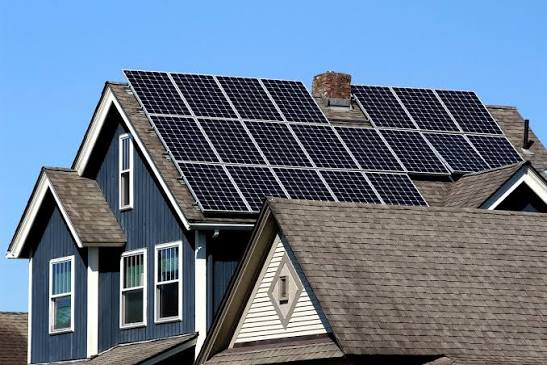
Consider Solar Panels
Solar energy allows homeowners to generate electricity from sunlight, reducing dependence on utility companies.
Although installation costs are higher than many upgrades, long-term savings can be substantial.
Benefits of Solar Panels
Solar systems can:
- Lower electric bills
- Increase home value
- Reduce carbon footprint
- Provide energy independence
- Pair with battery backup systems
Average Cost
Residential systems generally range from:
- $15,000–$35,000 before incentives
Actual costs depend on:
- Roof size
- Energy usage
- System capacity
- Local labor costs
Long-Term Savings
Many homeowners recover installation costs within 7 to 12 years while enjoying decades of lower electricity bills.
Upgrade Water Heating Systems
Water heating represents another major household energy expense.
Older water heaters use considerably more energy than modern high-efficiency models.
Efficient Options
Consider:
- Heat pump water heaters
- Tankless water heaters
- High-efficiency gas models
- Solar water heaters
Benefits
These systems:
- Consume less electricity
- Provide reliable hot water
- Last longer
- Reduce standby heat loss
Replace Old HVAC Equipment
If your furnace or air conditioner is more than 15 years old, replacement may significantly lower utility costs.
Modern HVAC systems achieve much higher efficiency ratings than older models.
Look for High Ratings
Important efficiency measurements include:
- SEER2 ratings for air conditioners
- AFUE ratings for furnaces
- HSPF ratings for heat pumps
Higher ratings generally mean lower energy consumption.
Install Energy-Efficient Doors
Exterior doors can also contribute to air leaks.
Modern insulated doors improve comfort while reducing heating and cooling losses.
Steel and fiberglass doors often provide better insulation than older wooden doors.
Proper installation is equally important to eliminate drafts.
Upgrade Lighting to LED
Switching to LED lighting remains one of the easiest and most affordable ways to reduce electricity use.
LED bulbs:
- Use up to 75% less energy
- Produce less heat
- Last significantly longer
- Require less maintenance
Replacing every incandescent bulb in a home can noticeably reduce electricity consumption.
Choose Energy-Efficient Appliances
Appliances account for a significant share of household electricity usage.
When replacing equipment, look for high-efficiency models.
Examples include:
- Refrigerators
- Dishwashers
- Washing machines
- Dryers
- Freezers
Although these appliances often cost more initially, reduced energy use lowers operating expenses over time.
Add Roof and Attic Improvements
Roof improvements can greatly affect indoor temperatures.
Options include:
- Cool roofing materials
- Radiant barriers
- Additional attic ventilation
- Better attic insulation
These upgrades reduce heat buildup during summer while improving overall HVAC efficiency.
Smart Home Energy Monitoring
Many homeowners don’t know which devices consume the most electricity.
Smart energy monitors provide real-time usage information.
These systems help identify:
- High-energy appliances
- Phantom electrical loads
- Peak usage times
- Opportunities for additional savings
Understanding energy consumption often leads to better habits and reduced bills.
Don’t Forget Regular Maintenance
Even the most efficient equipment performs poorly without maintenance.
Simple tasks include:
- Changing HVAC filters
- Cleaning outdoor condenser units
- Inspecting ductwork
- Servicing furnaces annually
- Cleaning dryer vents
- Checking weatherstripping
- Maintaining water heaters
Routine maintenance extends equipment life while preserving efficiency.
Understanding Tax Incentives and Rebates
Many governments and utility companies encourage energy-efficient home improvements through financial incentives.
These may include:
- Federal tax credits
- State rebates
- Utility company rebates
- Low-interest financing
- Manufacturer promotions
Available incentives often cover improvements such as:
- Solar panels
- Heat pumps
- Insulation
- Windows
- High-efficiency HVAC systems
- Water heaters
Since programs change regularly, homeowners should research current incentives before beginning a project.
Which Upgrades Offer the Best Return on Investment?
Not every improvement delivers the same financial return.
Generally, the highest-value upgrades include:
1. Air Sealing
Low cost with immediate savings.
2. Attic Insulation
Excellent long-term return with noticeable comfort improvements.
3. Smart Thermostat
Affordable and easy to install.
4. LED Lighting
Very low investment with quick savings.
5. Heat Pump Installation
Higher upfront cost but significant long-term energy reductions.
6. Solar Panels
Best for homeowners planning to stay in their home for many years.
How to Prioritize Your Energy Upgrades
Instead of tackling every project at once, consider this order:
- Seal air leaks.
- Improve insulation.
- Upgrade lighting.
- Install a smart thermostat.
- Replace aging HVAC equipment.
- Upgrade windows if necessary.
- Install solar panels after reducing overall energy demand.
Reducing energy waste first allows renewable energy systems like solar panels to work even more efficiently.
Common Mistakes to Avoid
Many homeowners spend money on expensive improvements without addressing basic issues first.
Avoid these common mistakes:
- Installing solar panels before improving insulation
- Ignoring air leaks
- Buying oversized HVAC systems
- Skipping professional energy assessments
- Neglecting routine maintenance
- Choosing products based only on price instead of efficiency ratings
A well-planned approach usually delivers the greatest long-term savings.
Conclusion
Lowering utility bills doesn’t require sacrificing comfort. By making smart energy-efficient upgrades, homeowners can create a more comfortable living environment while reducing monthly expenses and increasing property value.
Simple improvements like sealing air leaks, adding insulation, switching to LED lighting, and installing a smart thermostat offer quick returns with relatively low upfront costs. Larger investments such as heat pumps, energy-efficient windows, and solar panels require more planning but can deliver substantial savings for years to come.
Before starting any project, evaluate your home’s biggest sources of energy loss and compare available rebates or tax incentives. Prioritizing upgrades based on your budget, climate, and long-term goals will help you maximize every dollar spent while building a home that is more efficient, more comfortable, and less expensive to operate.