How Artificial Turf Helps Businesses Reduce Water and Maintenance Costs
For businesses seeking to create an attractive, professional exterior, landscaping plays a vital role. However, traditional grass landscapes often come with significant ongoing expenses, including water usage, labor, and maintenance equipment. As sustainability and cost-efficiency become increasingly important, many organizations are turning to artificial turf as a practical alternative. Artificial turf not only enhances curb appeal but also offers measurable savings in both water consumption and upkeep. Understanding how this modern landscaping solution reduces operational costs can help businesses make informed decisions that support long-term profitability.
Eliminating High Water Consumption
One of the most immediate and impactful benefits of artificial turf is the elimination of irrigation needs. Natural grass requires frequent watering to remain healthy and green, particularly in regions that experience hot or dry conditions. This constant demand for water leads to high utility bills and contributes to resource strain.
Artificial turf requires no watering beyond occasional rinsing for cleaning purposes. By removing irrigation from the equation, businesses can drastically reduce monthly water expenses. This is especially beneficial for properties with large outdoor areas, such as office parks, retail centers, and hospitality venues.
Additionally, reducing water usage aligns with sustainability initiatives and environmental goals. Many municipalities encourage water conservation, and businesses that adopt turf solutions may benefit from incentives or improved community perception as environmentally responsible organizations.
Lowering Ongoing Maintenance Costs
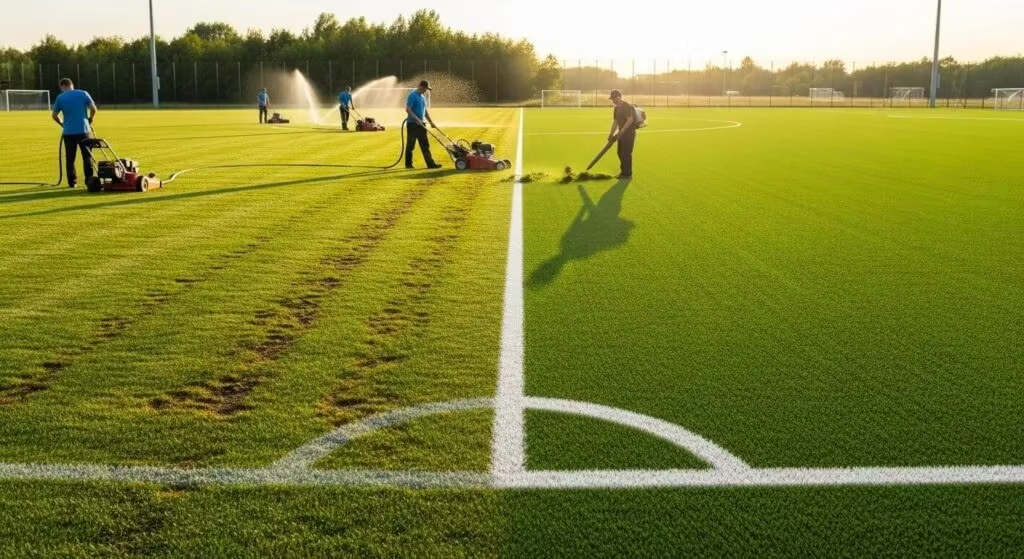
Maintaining natural grass requires consistent effort, including mowing, fertilizing, aerating, and pest control. These tasks often necessitate hiring landscaping services or maintaining dedicated staff, both of which add to operational expenses. Equipment costs, fuel, and supplies further increase the financial burden.
Artificial turf significantly reduces the need for these routine maintenance activities. There is no need for mowing, fertilizing, or weed control, which translates into immediate labor and material savings. Occasional brushing and debris removal are typically sufficient to keep turf looking clean and presentable.
For businesses aiming to streamline operations, this reduction in maintenance requirements can free up resources for other priorities. Companies can reallocate funds previously spent on landscaping toward growth initiatives, facility upgrades, or customer experience improvements.
Improving Durability and Longevity
Natural grass is susceptible to wear and tear, particularly in high-traffic areas. Foot traffic from employees, customers, or visitors can quickly create uneven patches, dirt spots, and damaged sections that require repair or replacement. Maintaining a consistently polished appearance can be both challenging and costly.
Artificial turf is designed to withstand heavy use without losing its visual appeal. High-quality turf products are built with durable materials that resist fading, flattening, and damage. As a result, businesses can maintain a lush, green appearance year-round without the need for frequent restoration.
This durability translates into long-term cost savings. While the initial investment in turf installation may be higher than traditional landscaping, the reduced need for repairs and replacements provides a strong return on investment over time. Partnering with experienced professionals, such as artificial grass installers in Tulsa, ensures proper installation and maximizes the lifespan and performance of the turf.
Minimizing Equipment and Resource Expenses
Another often-overlooked cost associated with natural grass maintenance is the equipment required to keep it in good condition. Lawn mowers, trimmers, irrigation systems, and fertilizers all contribute to ongoing expenses. Additionally, these tools require maintenance, storage, and occasional replacement.
Artificial turf eliminates the need for most landscaping equipment. Without mowing or irrigation systems, businesses can reduce both the upfront and recurring costs associated with tools and machinery. This also minimizes noise and disruption, which can be particularly beneficial for office environments or hospitality settings where a quiet, welcoming atmosphere is essential.
Furthermore, decreasing reliance on chemical fertilizers and pesticides supports a healthier environment for employees and visitors. This can enhance workplace safety and contribute to a more positive brand image.
Enhancing Predictability in Budgeting
Budget predictability is a critical factor in managing business operations effectively. Traditional landscaping costs can fluctuate due to seasonal changes, weather conditions, and unexpected repairs. Droughts may increase water usage, while heavy rainfall can lead to additional maintenance needs.
Artificial turf provides a more consistent cost structure. Once installed, ongoing expenses are minimal and predictable, allowing businesses to plan their budgets with greater accuracy. This stability is particularly valuable for organizations with multiple locations or strict financial planning requirements.
By reducing variability in landscaping costs, companies can achieve better financial control and avoid unexpected expenditures. This predictability supports long-term planning and helps ensure that resources are allocated efficiently.
Conclusion
Artificial turf offers a compelling solution for businesses looking to reduce water usage and maintenance costs without sacrificing aesthetic appeal. By eliminating irrigation needs, lowering labor and equipment expenses, and providing durable, long-lasting performance, turf delivers both financial and operational benefits.
As sustainability and efficiency continue to shape business decisions, artificial turf stands out as a strategic investment. Its ability to enhance curb appeal while minimizing ongoing expenses makes it an increasingly popular choice across a wide range of industries. For businesses seeking to balance cost savings with a polished exterior, artificial turf represents a practical and forward-thinking landscaping solution.