How Long Do Common Home Improvement Materials Really Last?
Home improvement projects are often planned around appearance, budget, and installation costs, but one important factor is sometimes ignored: how long will the materials actually last? A renovation may look beautiful when it is completed, but the true value of any upgrade depends on durability, maintenance requirements, and how well the materials perform over time.
Understanding the expected lifespan of common home improvement materials helps homeowners make smarter decisions. Whether you are replacing flooring, upgrading a roof, installing new windows, or renovating a kitchen, knowing the average durability can help you plan future expenses and avoid unexpected repairs.
Material lifespan is not always fixed. Climate conditions, installation quality, usage, maintenance, and product quality all influence how long something remains functional. A well-maintained material can often exceed its expected lifespan, while poor installation or neglect can shorten it significantly.
Factors That Affect the Lifespan of Home Improvement Materials
Before looking at individual materials, it is important to understand why some products last longer than others.
Installation Quality
Even the highest-quality materials can fail early if they are installed incorrectly. Poor waterproofing, improper measurements, weak foundations, or incorrect sealing can create problems that reduce durability.
For example, a premium roof installed without proper ventilation may experience moisture damage much earlier than expected.
Climate and Environment
Weather conditions play a major role in material performance. Homes in areas with heavy rainfall, extreme heat, freezing temperatures, or high humidity often experience faster wear.
Outdoor materials usually require more careful selection because they face constant exposure to changing conditions.
Maintenance Routine
Regular cleaning, inspections, and small repairs can significantly extend the life of home improvement materials.
A wooden deck that is sealed regularly may last decades longer than untreated wood exposed to moisture and sunlight.
Material Quality
Not all materials within the same category have equal durability. Lower-cost options may save money initially but could require replacement sooner compared to higher-quality alternatives.
Average Lifespan of Common Home Improvement Materials
Roofing Materials
The roof is one of the most important parts of any home because it protects the entire structure from weather damage.
Asphalt Shingles
Average lifespan: 15–30 years
Asphalt shingles are among the most popular roofing materials because they are affordable and easy to install. Their lifespan depends on the quality of the shingles, climate, ventilation, and maintenance.
Basic shingles may need replacement closer to the 15-year mark, while premium architectural shingles can last much longer.
Metal Roofing
Average lifespan: 40–70 years
Metal roofs are known for durability and resistance to harsh weather. Although the upfront cost is higher, they often provide better long-term value because they require fewer replacements.
Clay or Concrete Tiles
Average lifespan: 50–100 years
Tile roofing can last for generations when properly installed. However, individual tiles can crack and may require occasional repairs.
Flooring Materials
Flooring experiences daily traffic, making durability an important consideration.
Hardwood Flooring
Average lifespan: 50–100+ years
Hardwood is one of the longest-lasting flooring options. The ability to sand and refinish the surface multiple times allows it to remain attractive for many decades.
However, moisture exposure can cause warping, especially in areas like bathrooms or basements.
Laminate Flooring
Average lifespan: 10–25 years
Laminate flooring provides an affordable alternative to hardwood. Modern versions offer better durability, but they usually cannot be refinished once the surface becomes damaged.
Vinyl Flooring
Average lifespan: 15–30 years
Luxury vinyl flooring has become popular because it is water-resistant, comfortable, and available in many designs. Proper installation and cleaning can help it maintain its appearance for years.
Tile Flooring
Average lifespan: 40–75+ years
Ceramic and porcelain tiles are extremely durable. The tile surface can last for decades, although grout lines may require cleaning, sealing, or replacement over time.
Kitchen and Bathroom Materials
These areas experience moisture, heat, and frequent use, so choosing durable materials is especially important.
Kitchen Cabinets
Average lifespan: 15–50 years
Cabinet durability depends heavily on construction quality. Solid wood cabinets can last several decades, while lower-cost manufactured options may show wear much sooner.
Proper cleaning and avoiding excessive moisture can help extend their life.
Countertops
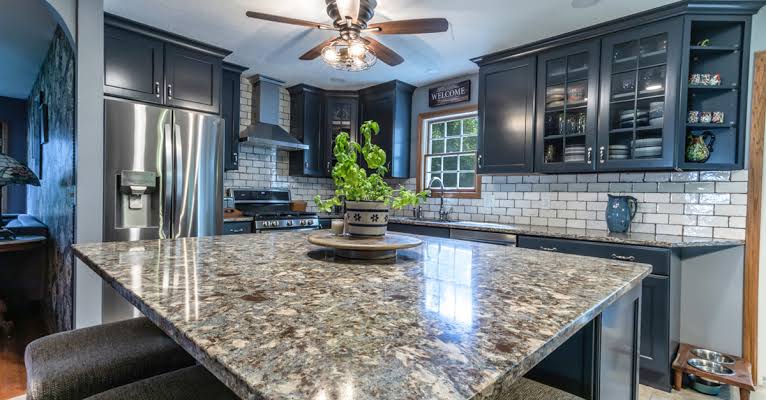
Granite Countertops
Average lifespan: 50+ years
Granite is highly durable and resistant to heat and scratches when properly maintained.
Quartz Countertops
Average lifespan: 20–50+ years
Engineered quartz offers strong durability with low maintenance requirements. It is popular for modern kitchens because it combines appearance with practical performance.
Laminate Countertops
Average lifespan: 10–20 years
Laminate countertops are budget-friendly but may experience damage from heat, moisture, and scratches.
Windows and Doors
Windows and doors affect energy efficiency, security, and comfort.
Vinyl Windows
Average lifespan: 20–40 years
Vinyl windows require little maintenance and resist moisture damage. However, poor-quality frames may become less efficient over time.
Wooden Windows
Average lifespan: 30–60 years
Wood windows can last a long time when regularly painted and protected from moisture.
Exterior Doors
Average lifespan: 20–50 years
Fiberglass and steel doors generally provide excellent durability, while wooden doors may require more maintenance.
Exterior Home Materials
Outdoor materials face constant exposure to sunlight, rain, wind, and temperature changes.
Vinyl Siding
Average lifespan: 20–40 years
Vinyl siding is popular because it requires minimal maintenance. However, strong impacts or extreme temperatures can cause cracking.
Brick Exterior
Average lifespan: 75–100+ years
Brick is one of the most durable exterior materials. While the brick itself can last for generations, mortar joints may require repair over time.
Wood Siding
Average lifespan: 20–40 years
Wood siding offers a natural appearance but requires regular maintenance, including painting and sealing.
Plumbing and Electrical Materials
Hidden systems inside a home also have expected lifespans.
Copper Plumbing Pipes
Average lifespan: 50–70 years
Copper pipes are known for reliability and durability, although corrosion and water conditions can affect performance.
Electrical Wiring
Average lifespan: 50+ years
Modern electrical systems can last decades, but older wiring may need upgrades due to safety concerns and increased household energy demands.
How Homeowners Can Extend Material Lifespan
Choosing durable materials is only the first step. Proper care plays a major role in protecting your investment.
Some effective practices include:
- Schedule regular inspections for roofs, plumbing, and exterior surfaces.
- Repair small problems before they become major damage.
- Follow manufacturer maintenance recommendations.
- Control indoor humidity levels.
- Use suitable cleaning products for different materials.
- Hire experienced professionals for important installations.
Preventive maintenance is usually much cheaper than complete replacement.
Should You Always Choose the Longest-Lasting Material?
Not necessarily. The longest-lasting option is not always the best choice for every homeowner.
A material should match your budget, lifestyle, design preferences, and future plans. For example, a homeowner planning to move within five years may not need the same investment as someone creating a long-term family home.
The best decision balances:
- Initial cost
- Expected lifespan
- Maintenance needs
- Repair costs
- Energy efficiency
- Overall value
Final Thoughts
Home improvement materials are long-term investments, and understanding their expected lifespan helps homeowners plan smarter renovations. Some materials, such as brick, hardwood, and quality roofing systems, can last for generations, while others may need replacement within a decade or two.
The key is not simply choosing the most expensive option but selecting materials that fit your home, environment, and maintenance habits. With proper installation and regular care, many home improvement upgrades can perform well beyond their average lifespan and continue adding comfort, beauty, and value to your property for years.