The Real Cost of Poor Ventilation: How Airflow Problems Affect Mold, Comfort, and Indoor Health
Many homeowners focus on visible problems such as damaged walls, leaking roofs, or outdated appliances, but one of the biggest issues inside a property often remains hidden: poor ventilation. Airflow problems can slowly affect a home’s comfort, energy efficiency, building materials, and even indoor air quality.
A house may look clean and well-maintained, yet trapped moisture, stale air, and poor circulation can create conditions where mold growth and other problems develop over time. Understanding how ventilation works and recognizing early warning signs can help homeowners protect their property and create a healthier living environment.
Why Proper Ventilation Matters in Modern Homes
Ventilation is the process of replacing indoor air with fresh outdoor air while controlling humidity, pollutants, and temperature. Every home produces moisture and airborne particles through normal daily activities.
Cooking, showering, cleaning, drying clothes, and even breathing release moisture into the air. Without proper airflow, this moisture has nowhere to escape and can accumulate in different areas of the home.
A well-ventilated house does not simply feel fresher. It also helps maintain balanced humidity levels, protect building materials, and reduce the chances of long-term damage.
Modern homes are often built with better insulation and tighter construction to improve energy efficiency. While this reduces heating and cooling losses, it can also trap indoor air if ventilation is not properly designed.
How Poor Ventilation Creates Mold Problems
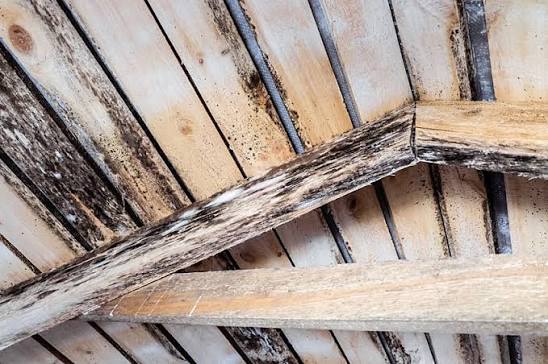
Mold is one of the most common consequences of excessive indoor moisture. Mold spores naturally exist in the environment, but they become a problem when they find suitable conditions to grow.
Poor ventilation creates an ideal environment because:
- Humidity levels remain high
- Moisture takes longer to dry
- Air movement is limited
- Damp areas stay hidden for longer periods
Bathrooms, basements, kitchens, laundry rooms, and areas near windows are especially vulnerable because they regularly experience moisture.
For example, after taking a hot shower, steam increases humidity inside the bathroom. If an exhaust fan is missing, too weak, or rarely used, moisture can settle on walls, ceilings, and corners. Over time, this can lead to discoloration, unpleasant odors, and mold growth.
Mold damage is not only a cosmetic issue. It can also affect paint, drywall, insulation, wooden structures, and other materials inside a home.
The Connection Between Ventilation and Indoor Comfort
A home with poor airflow often feels uncomfortable even when the heating or cooling system is working properly.
Common comfort problems include:
Stuffy Rooms
Rooms with limited air circulation can feel heavy and unpleasant. This often happens in bedrooms, storage areas, and spaces with closed doors where fresh air does not move effectively.
Uneven Temperatures
Poor airflow can create hot and cold spots throughout a property. Some rooms may feel warmer while others remain cooler because air is not distributed properly.
Excess Humidity
High humidity makes indoor temperatures feel uncomfortable. During warmer months, humid air can make a room feel hotter because sweat evaporates more slowly from the skin.
During colder months, excessive moisture can create condensation on windows and cold surfaces.
How Poor Airflow Affects Indoor Health
Indoor air quality plays an important role in overall comfort and well-being. When ventilation is inadequate, pollutants and particles can build up inside the home.
Common indoor air pollutants include:
- Dust particles
- Cleaning chemical fumes
- Cooking odors
- Pet-related particles
- Excess moisture
- Mold spores
- Carbon dioxide from normal occupancy
Without proper air exchange, these substances remain indoors for longer periods.
Some people may notice issues such as unpleasant smells, irritation, or discomfort in poorly ventilated spaces. Improving airflow helps remove unwanted particles and brings fresh air into living areas.
Signs Your Home May Have Ventilation Problems
Many ventilation issues develop gradually, making them easy to overlook. Homeowners should pay attention to warning signs such as:
Persistent Musty Odors
A musty smell often indicates trapped moisture or hidden mold growth. If the odor continues after cleaning, ventilation problems may be contributing to the issue.
Condensation on Windows
Frequent water droplets or foggy windows can indicate excessive indoor humidity.
Mold Spots Appearing Repeatedly
If mold returns after cleaning, the underlying moisture problem may still exist.
Rooms Feeling Stale
A room that feels uncomfortable shortly after entering may not have enough fresh air circulation.
Increased Allergy-Like Symptoms
Poor indoor air conditions may contribute to discomfort for some occupants, especially when mold or airborne particles are present.
Common Ventilation Mistakes Homeowners Make
Many airflow problems are caused by simple mistakes rather than major construction issues.
Blocking Air Vents
Furniture, curtains, or storage items placed over vents can restrict airflow and prevent heating or cooling systems from working efficiently.
Ignoring Exhaust Fans
Bathroom and kitchen exhaust fans are designed to remove moisture and odors. Using them only occasionally may allow humidity to build up.
Keeping Homes Completely Sealed
While sealing gaps improves energy efficiency, completely restricting air exchange can create indoor air quality problems.
Drying Clothes Indoors Without Ventilation
Wet clothes release significant moisture into indoor air. Without proper airflow, this can increase humidity levels.
Solutions for Improving Home Ventilation
Improving ventilation does not always require expensive renovations. Many solutions can make a noticeable difference.
Use Exhaust Fans Properly
Bathroom and kitchen fans should run during and after moisture-producing activities. This helps remove humid air before it spreads.
Improve Natural Airflow
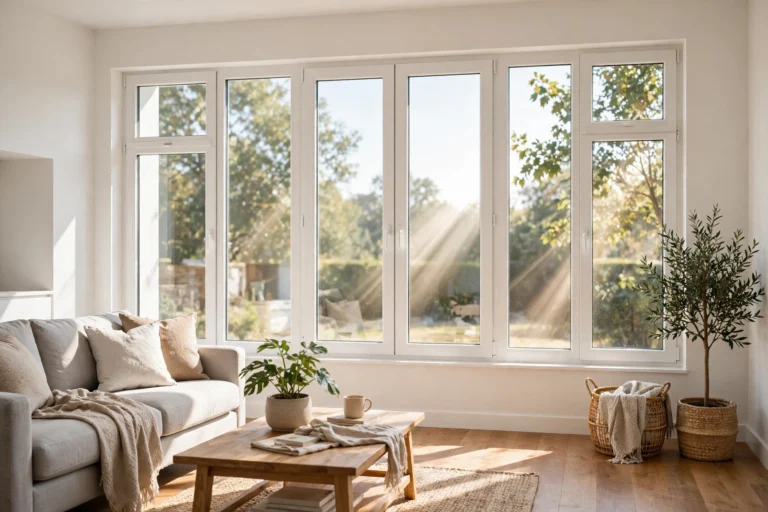
Opening windows when weather conditions allow can introduce fresh air and reduce indoor pollutants.
Maintain HVAC Systems
Heating and cooling systems play an important role in air circulation. Regular filter replacement and professional maintenance improve performance.
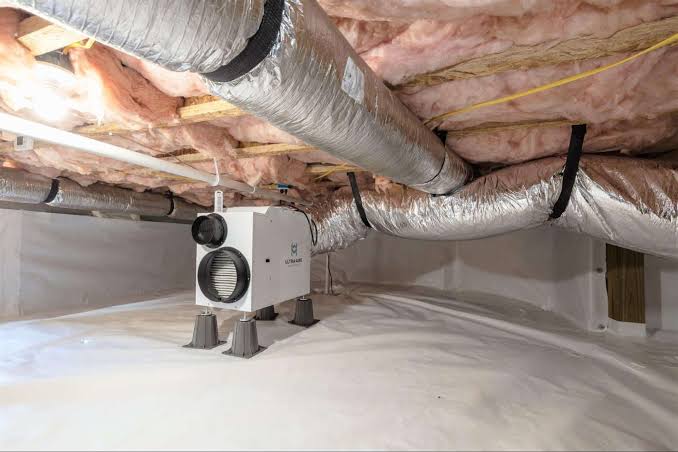
Consider Mechanical Ventilation Systems
For homes with tight construction, mechanical ventilation systems can provide controlled air exchange.
Examples include:
- Energy recovery ventilators (ERVs)
- Heat recovery ventilators (HRVs)
- Balanced ventilation systems
These systems bring fresh air inside while helping maintain indoor temperature efficiency.
The Financial Impact of Ignoring Ventilation Problems
Poor ventilation can become expensive when small issues develop into major repairs.
Excess moisture can damage:
- Drywall
- Flooring
- Wooden structures
- Paint finishes
- Insulation
- Furniture
Mold removal and moisture repairs can cost significantly more than preventive improvements.
Additionally, homes with poor airflow may require heating and cooling systems to work harder, increasing energy expenses.
Why Ventilation Should Be Part of Every Home Improvement Plan
Many renovation projects focus on appearance, such as new flooring, cabinets, or paint. However, improving hidden systems like ventilation can provide long-term benefits.
A beautiful home is not only about design. It should also provide a comfortable and healthy environment.
Before completing major upgrades, homeowners should consider how changes affect airflow. Adding insulation, replacing windows, or sealing air leaks can improve efficiency, but these improvements should be balanced with proper ventilation.
Final Thoughts
Poor ventilation is a hidden home problem that can affect everything from indoor comfort to building durability. Mold growth, stale air, humidity issues, and higher maintenance costs are often connected to inadequate airflow.
By understanding how ventilation works and addressing problems early, homeowners can protect their property and create a better living environment.
A well-designed ventilation system is not just an upgrade; it is an important part of a healthy, efficient, and long-lasting home.