How Exterior Lighting Plans Improve Home Security Without Increasing Energy Bills
A well-planned exterior lighting system can make a home safer, more comfortable, and more attractive without causing a noticeable increase in energy costs. Many homeowners believe that better security lighting means leaving bright lights on all night, but modern exterior lighting strategies focus on efficiency, placement, automation, and smart technology rather than simply adding more fixtures.
The goal of an effective outdoor lighting plan is not to flood your property with unnecessary brightness. Instead, it is about creating the right visibility in important areas such as entrances, pathways, driveways, gardens, and dark corners where security risks may exist.
With energy-efficient bulbs, motion sensors, timers, and thoughtful design choices, homeowners can improve security while keeping electricity usage under control.
Why Exterior Lighting Matters for Home Security
Dark areas around a property can create opportunities for unwanted activity because they provide hiding places and reduce visibility. Exterior lighting helps remove these dark spots and makes it easier for homeowners, neighbors, and security cameras to identify movement around the property.
A properly designed lighting plan can improve security by:
- Making entrances clearly visible
- Reducing hidden areas around the home
- Improving camera footage quality
- Helping residents move safely at night
- Creating the impression that a home is occupied
Security lighting is not only about preventing unwanted visitors. It also improves everyday safety by reducing the risk of trips, falls, and accidents around steps, walkways, and outdoor areas.
The Difference Between More Lights and Better Lighting
One common mistake homeowners make is adding too many lights without considering placement. Excessive lighting can waste energy, create glare, and even make security worse by producing harsh shadows.
A smart exterior lighting plan focuses on strategic locations rather than maximum brightness.
Important areas that often benefit from outdoor lighting include:
Entry Points
Front doors, back doors, garage entrances, and side entrances should have enough lighting for clear visibility. These areas are commonly used by residents and are also important points to monitor for security reasons.
Wall-mounted fixtures, porch lights, and overhead lighting can provide useful illumination without requiring high-powered bulbs.
Pathways and Walkways
Path lighting improves both safety and appearance. It helps family members and guests navigate outdoor spaces while preventing dark routes around the property.
Low-voltage LED pathway lights are a popular choice because they provide sufficient brightness while using very little electricity.
Driveways and Parking Areas
Driveway lighting helps homeowners identify vehicles, visitors, and movement near their property. It can also improve visibility for security cameras placed around garages or parking spaces.
Instead of keeping driveway lights on all night, many homeowners use motion-activated fixtures that turn on only when movement is detected.
How LED Lighting Reduces Energy Costs
Traditional outdoor lighting systems often used halogen or incandescent bulbs, which consume more electricity and require frequent replacement. Modern LED lighting has changed the way homeowners approach exterior illumination.
LED bulbs provide several advantages:
- Use significantly less energy than traditional bulbs
- Last much longer
- Produce less heat
- Require less maintenance
- Work well with smart controls
Because outdoor security lights usually operate for several hours each night, switching to LED technology can create noticeable savings over time.
For homeowners upgrading an older lighting system, replacing outdated bulbs is often one of the simplest ways to improve efficiency.
Motion Sensors: Security Lighting Only When Needed
Motion sensor lighting is one of the most practical solutions for improving security without increasing energy bills.
Instead of keeping lights active throughout the night, motion sensors activate lighting when movement is detected. After a short period, the lights automatically switch off.
This approach offers several benefits:
- Lower electricity consumption
- Less light pollution
- Longer bulb lifespan
- Immediate illumination when activity occurs
Motion sensors are especially useful for side yards, driveways, garages, and areas that are not regularly used.
Smart Outdoor Lighting and Home Automation
Smart home technology has introduced new ways to control exterior lighting. Homeowners can now manage outdoor lights through mobile apps, voice assistants, and automated schedules.
Smart lighting systems allow users to:
- Turn lights on or off remotely
- Create customized schedules
- Adjust brightness levels
- Connect lights with security systems
- Receive alerts when unusual activity occurs
For example, a homeowner traveling away from home can schedule exterior lights to turn on at different times, creating the appearance of normal activity.
Smart controls also prevent lights from being left on unnecessarily, helping reduce wasted energy.
Using Timers for Efficient Security Lighting
Timers remain one of the simplest and most affordable ways to control outdoor lighting.
A timer allows homeowners to set specific operating hours based on their lifestyle. For example, pathway lights can turn on around sunset and switch off after midnight when they are no longer needed.
Modern timers can adjust automatically based on seasonal changes, ensuring lights operate only when required.
This is especially useful because daylight hours change throughout the year. A fixed schedule may leave lights running too long during summer months or turn them on too late during winter.
Avoiding Common Exterior Lighting Mistakes
A poor lighting design can reduce effectiveness and increase costs. Some common mistakes include:
Installing Lights That Are Too Bright
Very bright lights may create glare and uncomfortable viewing conditions. They can also produce strong shadows where visibility becomes worse.
A balanced lighting design provides enough illumination without overwhelming the surrounding area.
Ignoring Light Placement
A powerful light in the wrong location may not improve security. Lighting should focus on important areas instead of randomly covering the entire property.
Forgetting About Maintenance
Dirty fixtures, damaged wiring, and old bulbs can reduce performance. Regular inspections help maintain safety and efficiency.
Leaving Lights On All Night Without a Purpose
Constantly running lights can increase electricity usage. Using sensors, timers, or smart controls usually provides better results.
How Exterior Lighting Can Increase Property Value
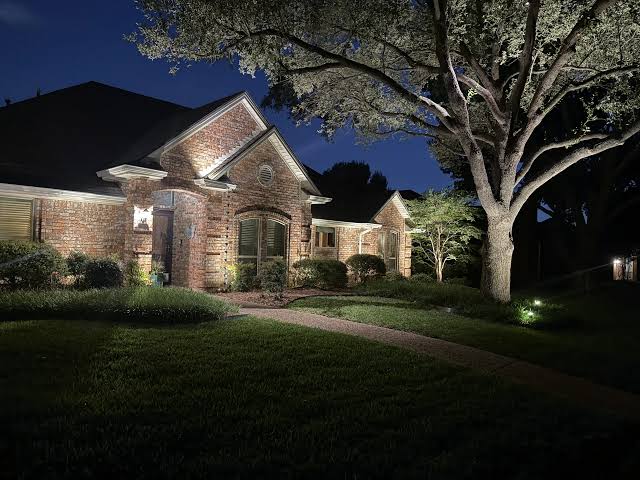
Outdoor lighting does more than improve security. A carefully designed system can also improve the appearance and usability of a home.
Landscape lighting can highlight:
- Trees and gardens
- Architectural features
- Outdoor seating areas
- Walkways
- Driveway designs
A well-lit exterior creates a welcoming appearance and may make a property more attractive to potential buyers.
Many homeowners view exterior lighting as a small upgrade that provides both practical and aesthetic benefits.
Planning an Energy-Efficient Exterior Lighting System
Before installing new outdoor lighting, homeowners should consider several factors:
- Which areas need better visibility?
- How often will the lights operate?
- Are existing fixtures outdated?
- Can solar or low-voltage options work?
- Would automation reduce unnecessary usage?
A good plan starts with identifying security concerns and designing lighting around real needs rather than simply adding fixtures.
For larger properties, consulting a lighting professional can help create a balanced system that combines safety, efficiency, and visual appeal.
Final Thoughts
Exterior lighting is an important part of modern home security, but effective lighting does not require expensive electricity bills. The best results come from smart planning, energy-efficient products, and technology that provides light only when and where it is needed.
LED fixtures, motion sensors, timers, and smart controls allow homeowners to create safer outdoor spaces while maintaining energy efficiency.
A thoughtful exterior lighting plan is not about making a property brighter. It is about making it smarter, safer, and more efficient.