Modular Home Additions vs Traditional Extensions: Comparing Time, Cost, Durability, and Resale Value
When homeowners need more space, the most common solution is expanding the existing property. Whether it is an extra bedroom, home office, larger kitchen, guest suite, or additional living area, adding space can improve comfort and increase property value.
However, homeowners today have more options than simply hiring builders for a traditional extension. Modular home additions have become an increasingly popular alternative because they offer faster installation, controlled construction quality, and flexible designs.
Choosing between a modular addition and a traditional extension is not always straightforward. Both approaches have advantages and limitations depending on budget, timeline, property conditions, and long-term goals. Understanding how they compare in terms of cost, construction time, durability, and resale value can help homeowners make a smarter decision.
What Is a Modular Home Addition?
A modular home addition is a prefabricated structure that is built partially or completely in a factory before being transported and installed on a property.
Unlike traditional construction, where most work happens outdoors at the home site, modular construction allows builders to create sections in a controlled environment. These sections are then delivered, connected to the existing structure, and finished according to the project requirements.
Modular additions can include:
- Extra bedrooms
- Home offices
- Living rooms
- Garage expansions
- Guest houses
- Kitchen extensions
- Second-story additions
Modern modular designs are not limited to simple structures. Many options can include high-quality finishes, customized layouts, energy-efficient materials, and smart home features.
What Is a Traditional Home Extension?
A traditional extension involves expanding a home through conventional construction methods. Builders typically complete every stage directly on the property, including foundation work, framing, electrical installation, plumbing, insulation, roofing, and interior finishing.
Traditional extensions are commonly used for:
- Large-scale renovations
- Custom architectural designs
- Complex structural changes
- Homes requiring unique layouts
This method gives homeowners significant design freedom because almost every detail can be adjusted during construction.
Comparing Construction Time
One of the biggest differences between modular additions and traditional extensions is the construction timeline.
Modular Addition Timeline
Because modular sections are manufactured indoors, many construction steps happen simultaneously. While the foundation is being prepared at the property, the structure itself may already be under production.
A modular addition can often be completed within weeks after delivery, depending on project complexity.
Benefits include:
- Faster overall completion
- Less disruption to daily life
- Reduced weather delays
- More predictable scheduling
For homeowners who need additional space quickly, modular construction can be an attractive option.
Traditional Extension Timeline
Traditional extensions usually take longer because every stage depends on the previous one being completed.
The process may involve:
- Planning approval
- Site preparation
- Foundation installation
- Structural construction
- Electrical and plumbing work
- Interior finishing
Weather conditions, contractor availability, material delays, and unexpected site issues can extend the timeline.
For larger or highly customized projects, the longer process may be worthwhile, but homeowners should be prepared for months of construction.
Cost Comparison Between Modular and Traditional Extensions
Cost is often one of the biggest factors when choosing a home addition method.
Modular Addition Costs
Modular construction can reduce certain expenses because factory production improves efficiency and minimizes material waste.
Potential cost advantages include:
- Faster labor completion
- Reduced construction waste
- Better material control
- Fewer unexpected delays
However, modular additions are not always automatically cheaper. Transportation costs, site preparation, permits, and connection work can increase the final price.
Traditional Extension Costs
Traditional extensions often involve more labor-intensive work, which can increase expenses. Since construction happens entirely on-site, labor hours and project duration usually have a significant impact on the budget.
Costs may increase due to:
- Design changes during construction
- Weather delays
- Material price changes
- Structural complications
A traditional extension may cost more, but it can provide greater customization for homeowners with specific requirements.
Durability and Construction Quality
Many homeowners assume modular structures are less durable than traditionally built homes, but modern modular construction has changed significantly.
Durability of Modular Additions
Factory-built modules are produced under controlled conditions where builders can maintain consistent quality standards.
Advantages include:
- Precise manufacturing
- Reduced moisture exposure during construction
- Strong structural connections
- Quality inspections throughout production
Many modular buildings are designed to meet the same building codes as traditional homes.
The durability of a modular addition depends heavily on the manufacturer, materials used, installation quality, and ongoing maintenance.
Durability of Traditional Extensions
Traditional construction has a long history and can create extremely durable additions when completed correctly.
The quality depends largely on:
- Contractor experience
- Material selection
- Construction techniques
- Site conditions
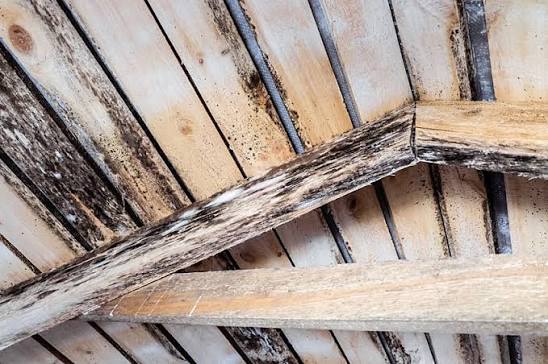
A well-built traditional extension can last for decades, but poor workmanship can create problems such as water damage, insulation issues, or structural weaknesses.
Design Flexibility and Customization
Design freedom is an important consideration for many homeowners.
Traditional extensions usually provide more flexibility because builders can create unique shapes, unusual layouts, and complex architectural features.
This makes traditional construction suitable for:
- Historic properties
- Luxury renovations
- Homes with complicated layouts
- Unique design concepts
Modular additions have improved significantly in customization, but they may still have limitations due to factory production methods and transportation requirements.
However, many manufacturers now offer different sizes, finishes, layouts, and design options that allow homeowners to create personalized spaces.
Impact on Property Resale Value
A home addition is not only about immediate comfort. Many homeowners also consider future resale value.
A professionally designed and properly integrated addition can increase property appeal regardless of construction method.
Modular Additions and Resale Value
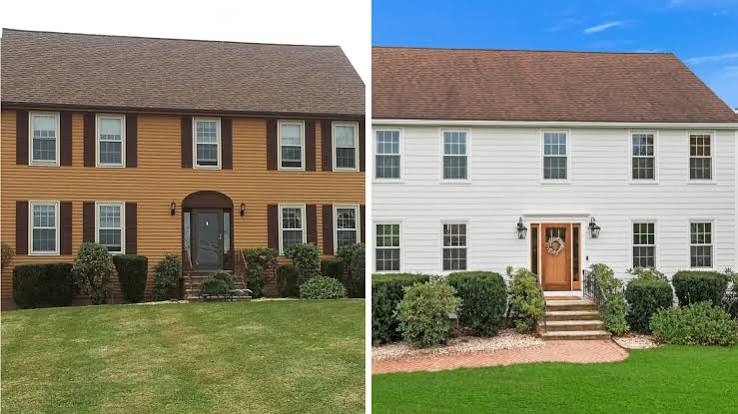
A high-quality modular addition can add value if it looks like a natural part of the original home.
Important factors include:
- Matching exterior design
- Professional installation
- Functional layout
- Quality materials
- Proper permits
Buyers are becoming more familiar with modular construction, especially as modern designs become more common.
Traditional Extensions and Resale Value
Traditional extensions may have an advantage because buyers are more familiar with conventional construction methods.
A well-designed extension can significantly improve a home’s marketability, especially when it adds desirable features like:
- Additional bedrooms
- Modern kitchens
- Larger living areas
- Flexible workspace
Ultimately, buyers usually care more about quality, appearance, and functionality than the construction method itself.
Environmental Considerations
Sustainability is becoming an important factor in home improvement decisions.
Modular construction often produces less waste because materials are measured and cut in a controlled factory environment. Shorter construction periods can also reduce the impact on the surrounding property.
Traditional construction can also be environmentally friendly when builders use sustainable materials, efficient designs, and responsible waste management practices.
The most sustainable choice depends on factors such as material selection, energy efficiency, and long-term durability.
Which Option Is Right for Your Home?
A modular addition may be the better choice if you:
- Need extra space quickly
- Prefer predictable costs
- Want less disruption
- Like modern efficient construction methods
A traditional extension may be better if you:
- Need complete design freedom
- Have a complex renovation project
- Own a unique property
- Want extensive customization
There is no universal answer because every home and homeowner has different needs.
Final Thoughts
Modular home additions and traditional extensions both offer practical ways to increase living space and improve property value. Modular construction provides speed, efficiency, and controlled quality, while traditional extensions offer unmatched flexibility and customization.
The best choice depends on your budget, timeline, design expectations, and long-term plans for the property. Before making a decision, homeowners should evaluate not only the initial cost but also durability, maintenance requirements, energy efficiency, and future resale potential.
As construction technology continues to improve, modular additions are likely to become an even more common part of modern home improvement. However, traditional extensions will remain valuable for projects where personalization and architectural freedom are the highest priorities.